

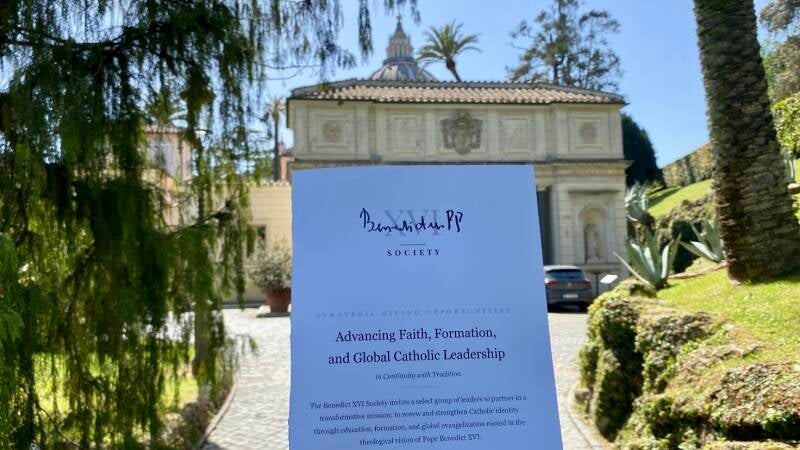
by Lea Amodio
April 17, 2026, Pontifical Academy of Sciences, Vatican City.
Advancing Faith, Formation, and Global Catholic Leadership.
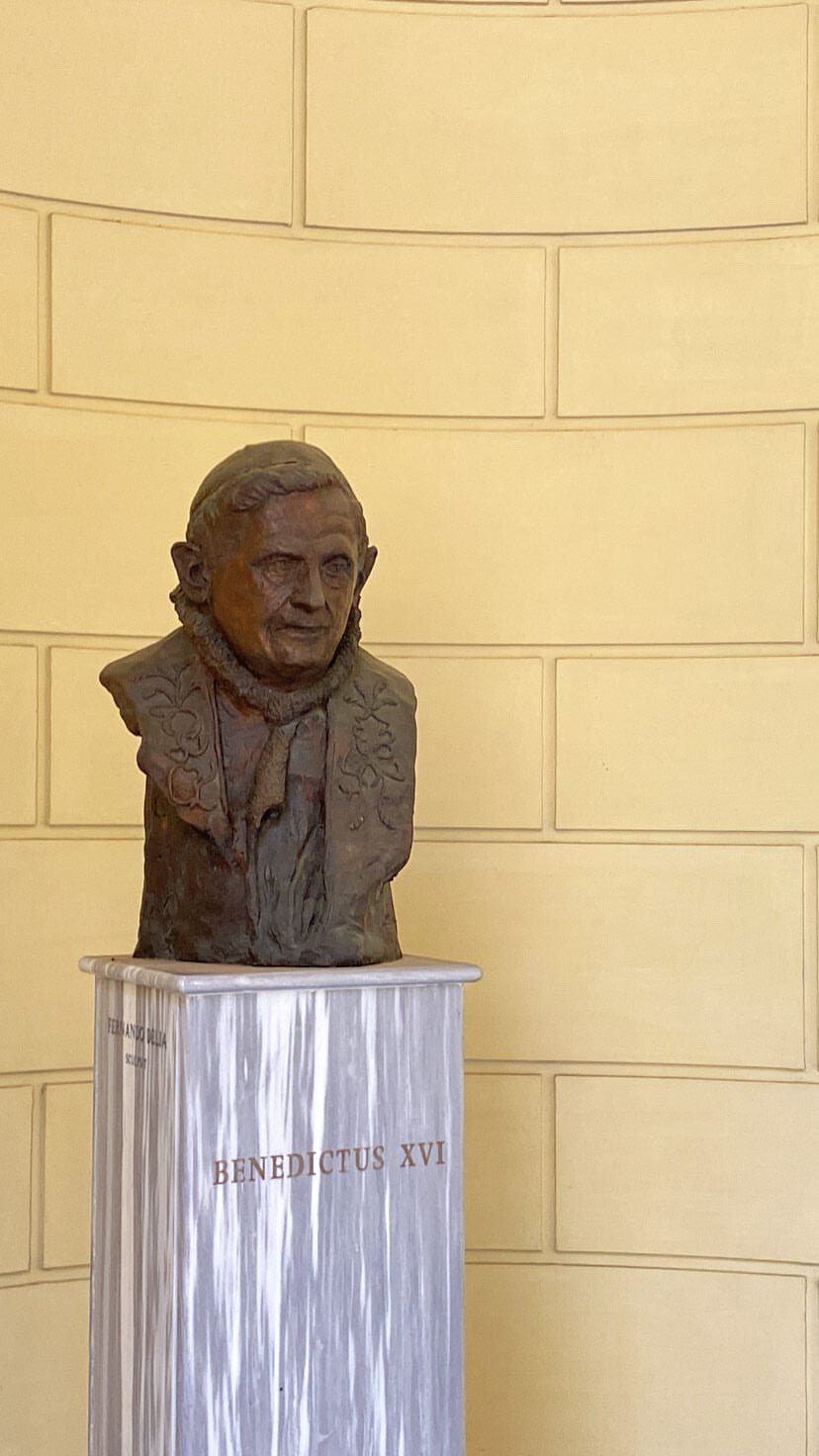
The “Benedict XVI Society," www.benedictxvisociety.org, is a new theological institute and information portal, a global network created to promote and make together various intellectual and spiritual initiatives on the theological thought of Joseph Ratzinger - Benedict XVI.
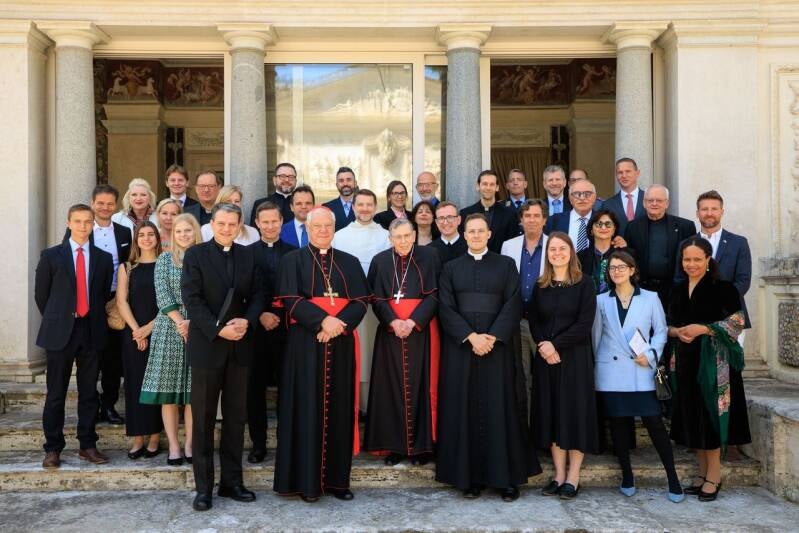
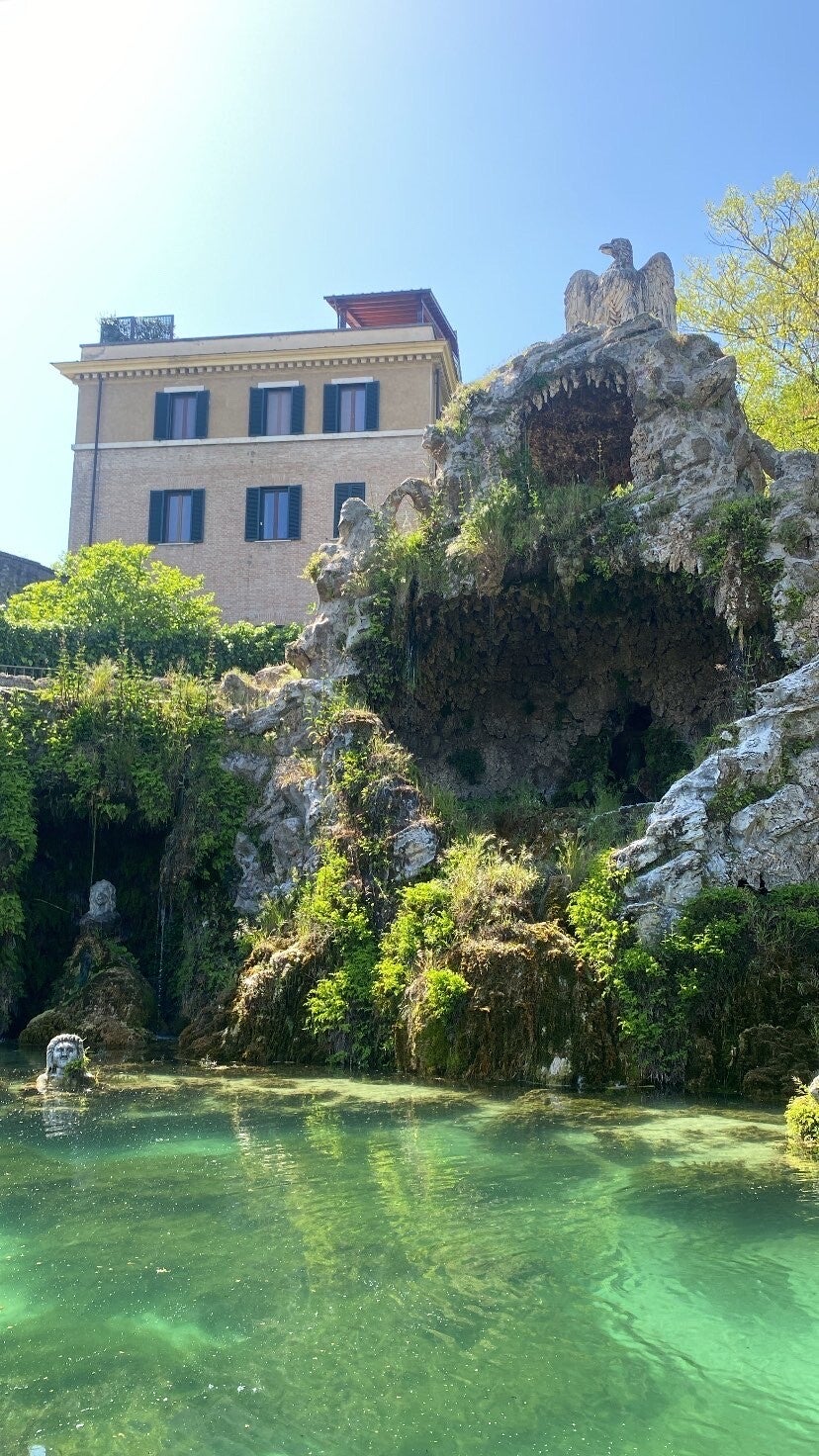
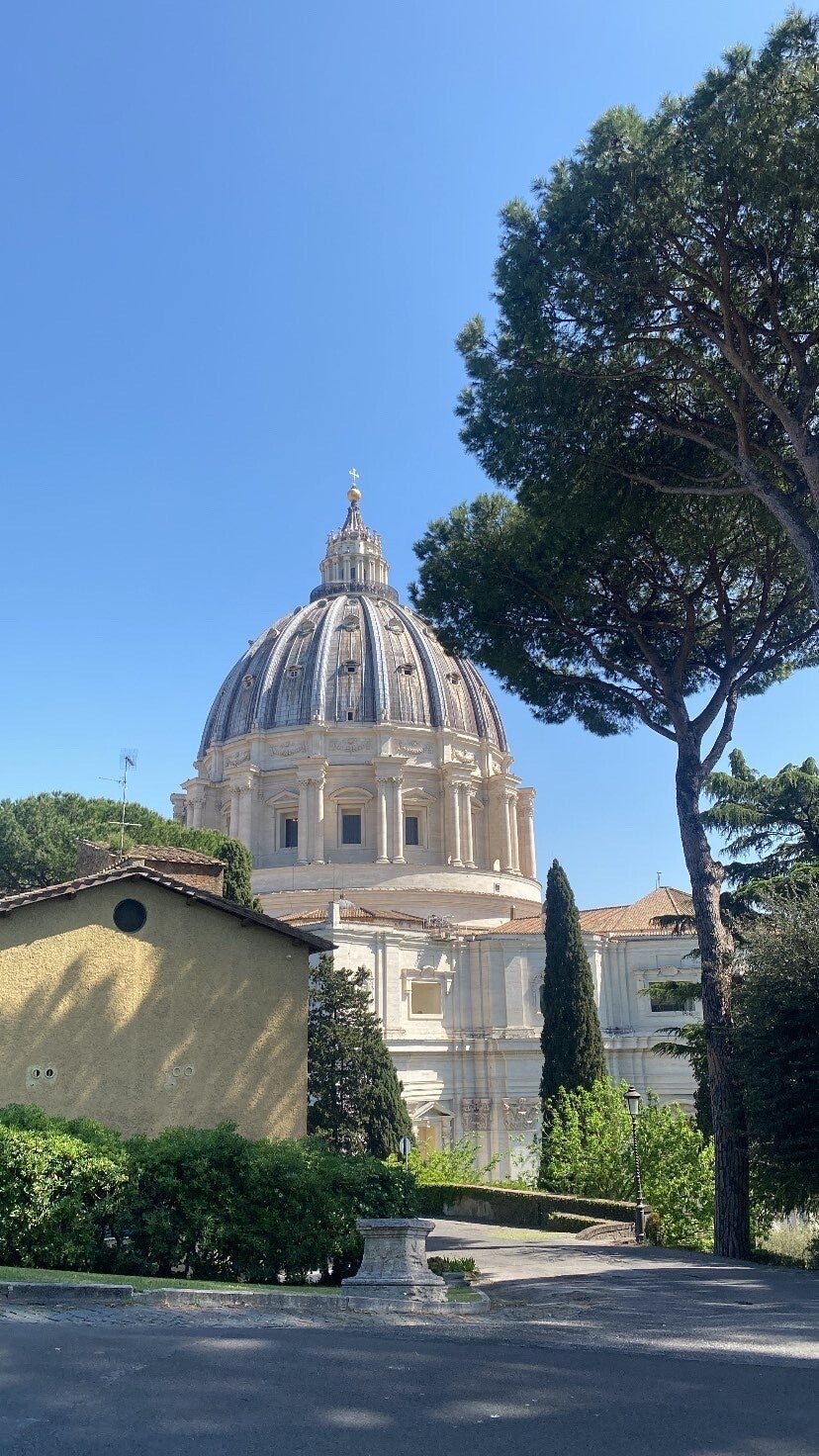
The inauguration, following the Solemn Mass in St. Peter's Basilica on the 99th anniversary of the birth of the pope theologian, took place in the Vatican Gardens, at the Pontifical Academy of Sciences, just steps from the Mater Ecclesiae Monastery where Joseph Ratzinger spent the last years of his earthly life. From there, where Benedict prayed and studied as Pope Emeritus, the hope of once again continuing to discover, deepen, and gather together the inexhaustible legacy of Benedict XVI's vast theological output begins again, heading into the centenary year. To authentically preserve, understand, and promote the Faith, and to do so through his words, uniting, as Benedict XVI himself demonstrated throughout his life, spiritual knowledge with scientific and cultural insights.
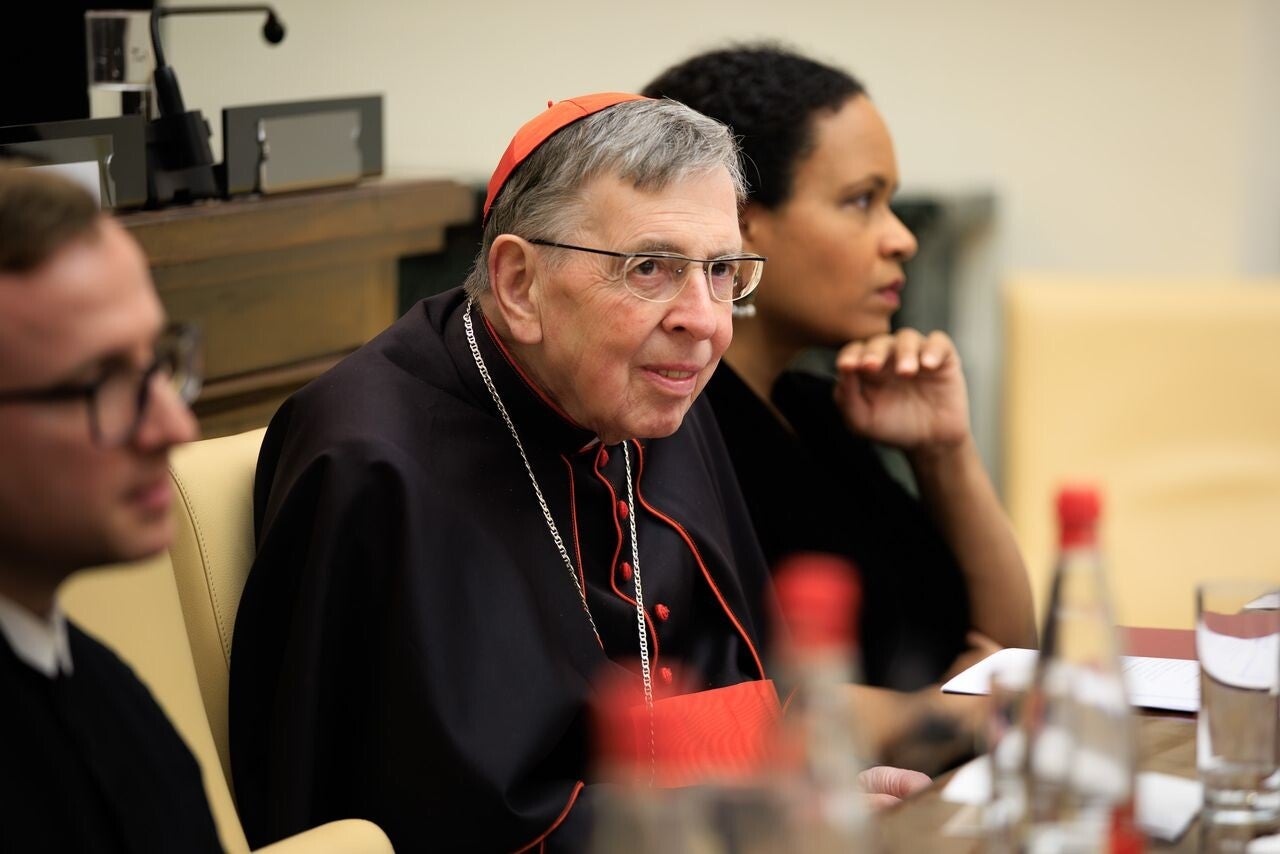
Cardinal Kurt Koch, Prefect of the Dicastery for Promoting Christian Unity and patron of the so-called Schülerkreis since 2011, a member of the scientific committee of the Joseph Ratzinger Vatican Foundation, and also involved in initiatives related to the annual "Benedikt XVI Forum," introduced the launch event by recalling that Joseph Ratzinger's teaching is alive and relevant in the life of the Church because it draws on the documents of the Second Vatican Council, of which he himself was an expert alongside Cardinal Frings of Cologne.
His thoughtful words, drawing their source from the Gospel, are timeless and universal. They are rooted in his life, and are concrete, not abstract, because they are addressed to a Person and not to an idea, as often happens in the world today.
Fr. Thomas Joseph White, rector of the Pontifical University of the Angelicum, discussed academic theology, reaffirming the importance of the rigor of the reasonableness of Faith, a faith that illuminates reason, the foundation and beacon, especially from an ethical and moral perspective, for navigating the ideologies that have marked the twentieth century and continue to dominate today's society. He advocated for the centrality of the Logos, broadening the horizons of purely scientific reason, and reflecting reality in its metaphysical reason, a broader vision — a Logos that includes Love, in its charitable and Trinitarian sense.
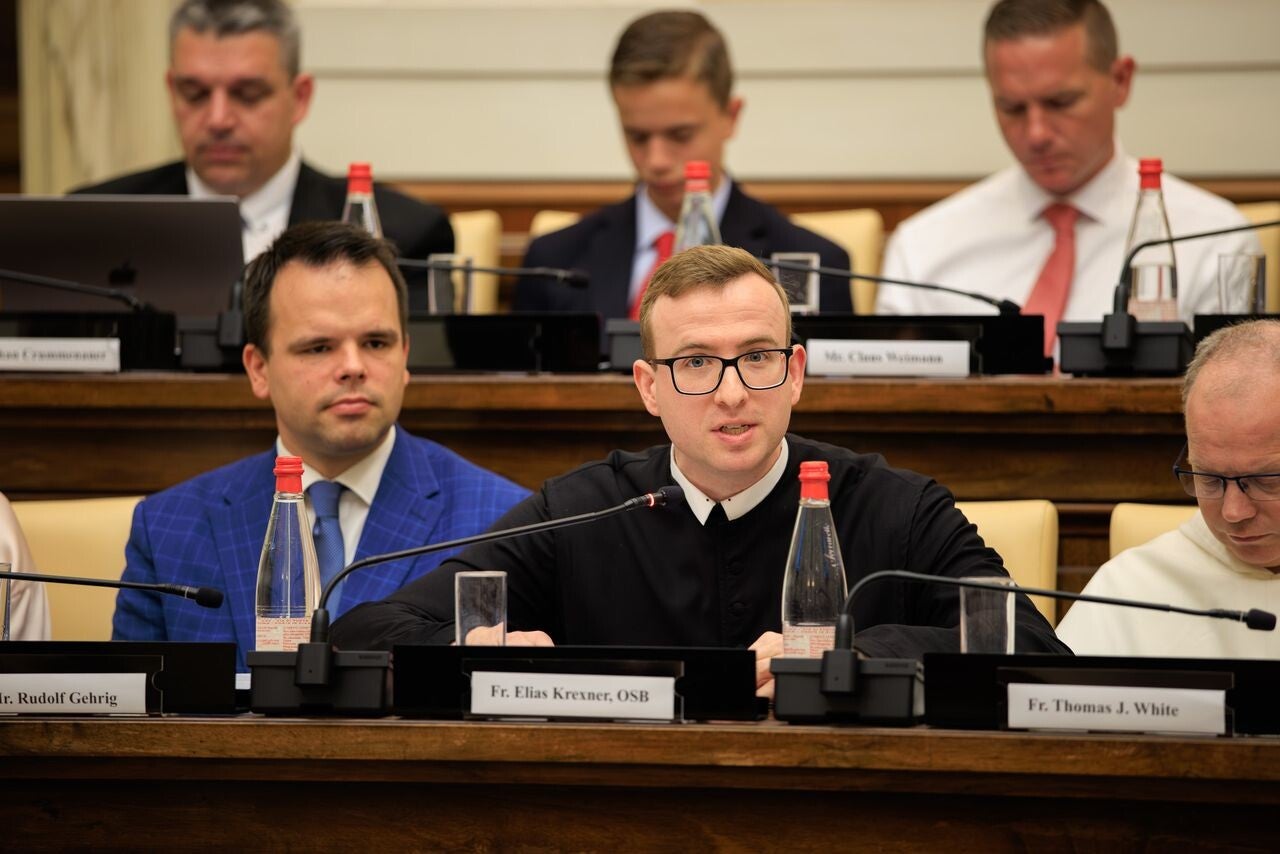
As a young Benedictine monk, Fr. Elias Klexner OSB instead focused his attention on the synergistic unity of the spiritual and the intellectual, a distinctive feature and reference of the works and priestly teaching of the theologian, another pillar of theology and life of Ratzinger, who not by chance chose the name Benedict for his pontificate, in honor of the Saint of Norcia, author of the famous Latin phrase “Ora et labora et lege” – pray and work and read the Holy Scriptures) often erroneously abbreviated to just the motto “Ora et labora” while excluding the core of its meaning. For this reason, the Benedict XVI Society acts in tandem, promoting events and festivals that express the harmonious alternation of prayer and work that begins with and returns to the Word of God.
The third speaker was Dr. Rudolf Gehrig, a journalist for EWTN DE, who often covers events and celebrations related to the "German Pope" for his station. This interest, he explained, recalling his adolescence, dates back a long time and during which he developed his professional vocation, viewing it precisely as a mission in Catholic journalism. It is no coincidence, he emphasized, referring to the Benedict XVI Society as a project that also includes public relations and media exchanges, that Benedict, while adhering to tradition, was among the first leaders of his time to experiment with social media as a vehicle for speaking the Truth to others, becoming the first pope to use Twitter. He also pointed out that it is precisely in the social media world that the "dictatorship of relativism" is most evident and destructive. It was at approximately the same time and place that Cardinal Ratzinger loudly denounced in his Missa Pro Eligendo Pontefice, the day before the conclave that would lead to the emergence of Pope Benedict XVI on April 19, 2005.
Mrs. Jill Alexy, founder of See the Sacred, spoke instead of the educational and evangelizing value of Ratzinger's works, which begins with the Catechism, which he signed when he was Prefect of the Congregation for the Doctrine of the Faith. A pastoral commitment authentically at the service of the Truth, from works to daily life and vice versa, which builds a society, starting with the family unit, in which to promote the culture of life.
Dr.ssa Marianne Hofer of the Angelicum subsequently made a further contribution by extending this perspective to the social system, believing in the possible formation of leaders for today and the future who can bring these values with simplicity to a large scale, inspired by the Gospel and the teachings of the Catholic Church, creating a sense of true community and networking among them. A renewal of tradition is possible by highlighting those initiatives that together offer opportunities for spiritual and personal growth, according to a vision of integral human development.
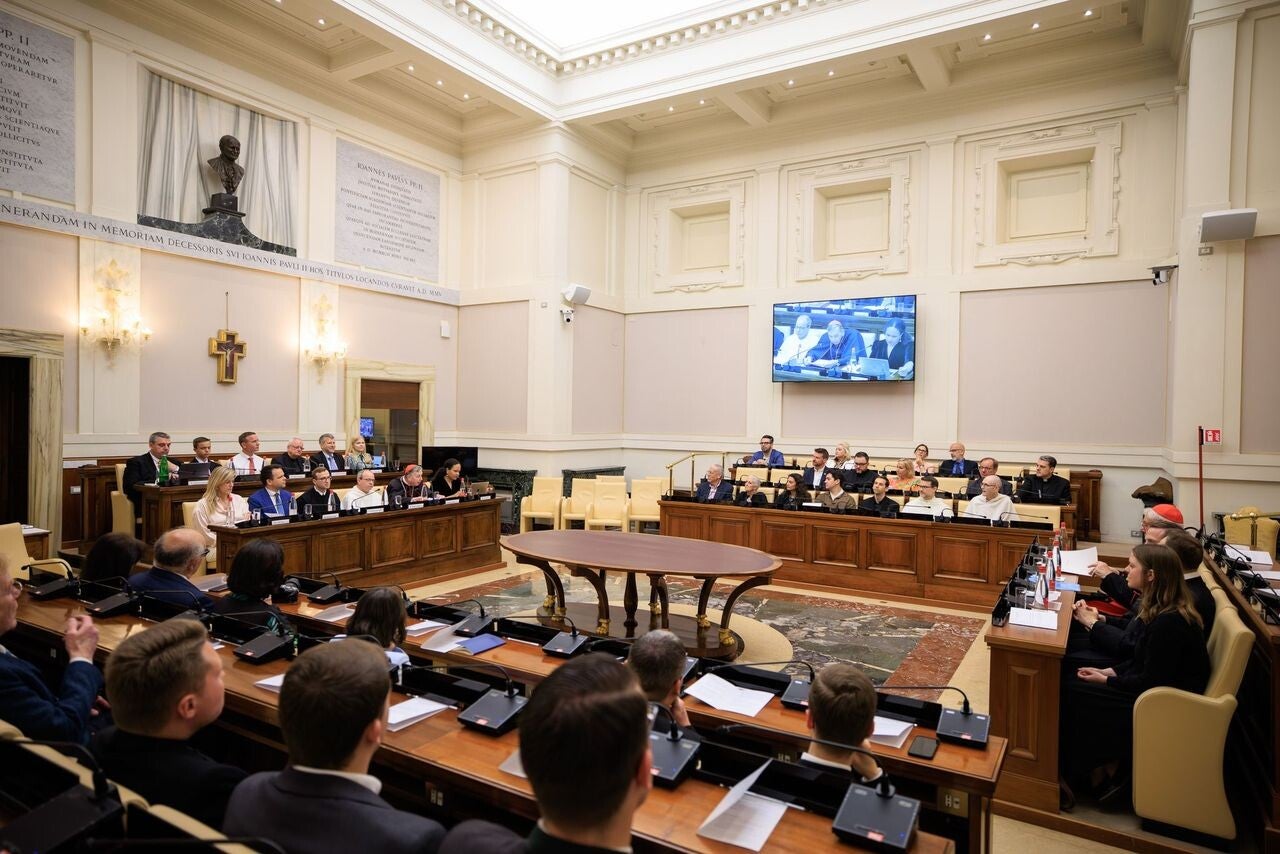
"Ask Benedict"
After the break, the second panel began with Atty. Patrick Gruhn's illustration of one of the most interesting sections of the Benedict XVI Society website. It is enriched by an AI-powered learning platform, available in Italian, English, and German. Its responses are currently based on a vast collection of texts, homilies, and speeches by Pope Benedict himself, the Catechism of the Catholic School (and, of course, other papal documents), supplemented with additional information from books and various publications by two of its most renowned figures, Cardinal Kurt Koch and Professor Dr. Ralph Weimann. This platform, of course, does not replace pastoral guidance, but offers valuable support to those seeking simple and clear definitions in theological language in the spirit of Benedict XVI—canonistic, academic, and therefore dialogical or apologetic, depending on the chosen style. Conversations with the AI assistant, secure and private, can also be saved and exported by registering in the database.
Fr. Edward Haunschild, also from the Angelicum, explored the profoundly liturgical aspect of Joseph Ratzinger-Benedict XVI's theology, a sacred aspect in which the Holy Mass is once again understood as both sacrifice and gift, in which sacred music is not optional but an integral part. Each liturgical period of the year is experienced consciously, drawing from it all the divine beauty of the Eucharistic celebration and other moments of prayer.
Finally, Professor Ralph Weimann, expert in bioethics and moral theology and a lecturer at the Angelicum and the Pontifical University Regina Apostolorum in Rome, listed some of the initial training programs, events, and conferences promoted by the Benedict XVI Society, such as the third edition of the Benedict Forum in Altötting (July 1-5), this year on the theme "Heilung durch Glauben"—literally, "Healing through Faith"—a small Catholic town in the heart of Bavaria, just a few kilometers from Joseph Ratzinger's birthplace and among the places where he developed his vocation to the priesthood.
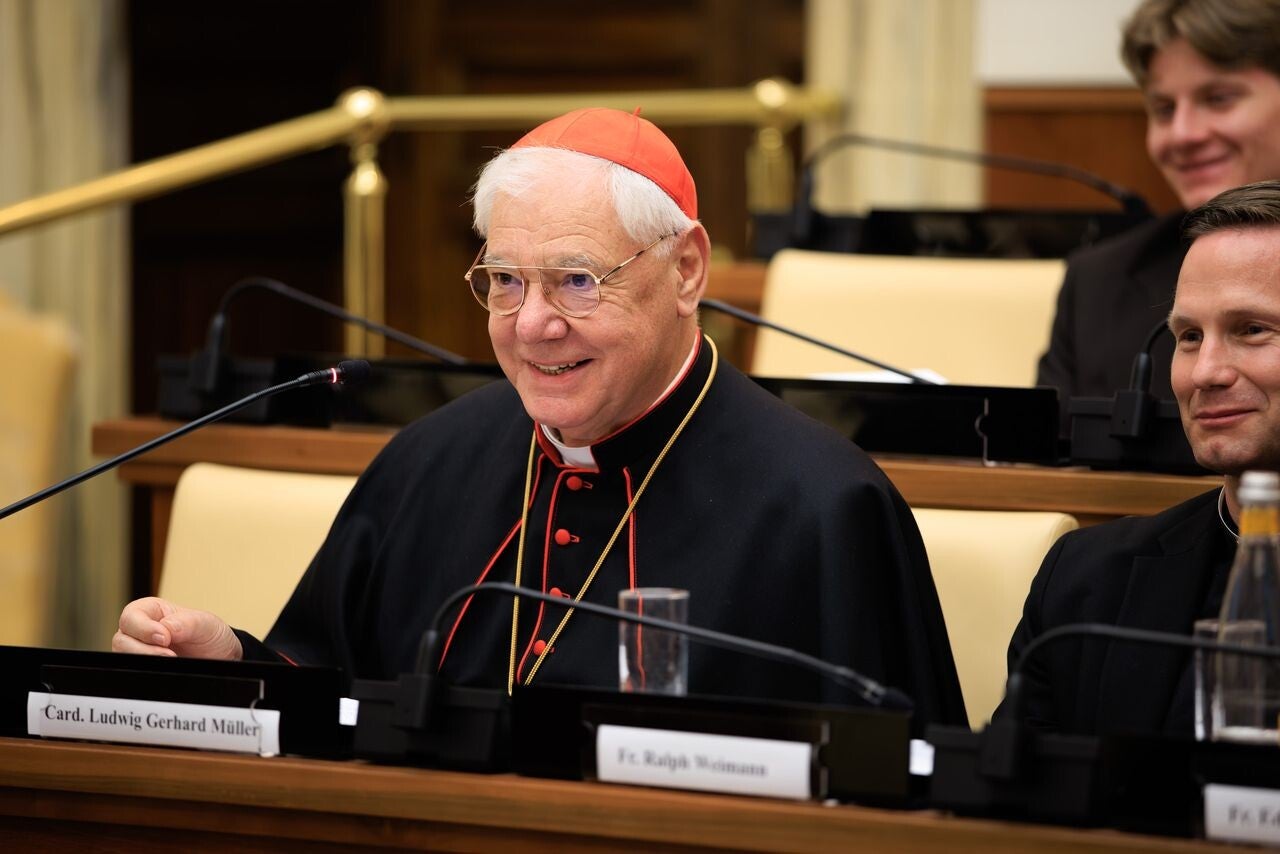
In his closing remarks, Cardinal Gerhard Müller, former Prefect of the Dicastery for the Doctrine of the Faith, updated those present, in his capacity as editor, on the progress of the publication (the various volumes are being published in various languages) of the Complete Works "Opera Omnia" of Joseph Ratzinger - Benedict XVI. For example, the publication will be translated into Russian, making it a more accessible resource for Orthodox Catholics as well, testifying to a fruitful dialogue between Faith and Reason that can foster mutual understanding of similarities and differences.
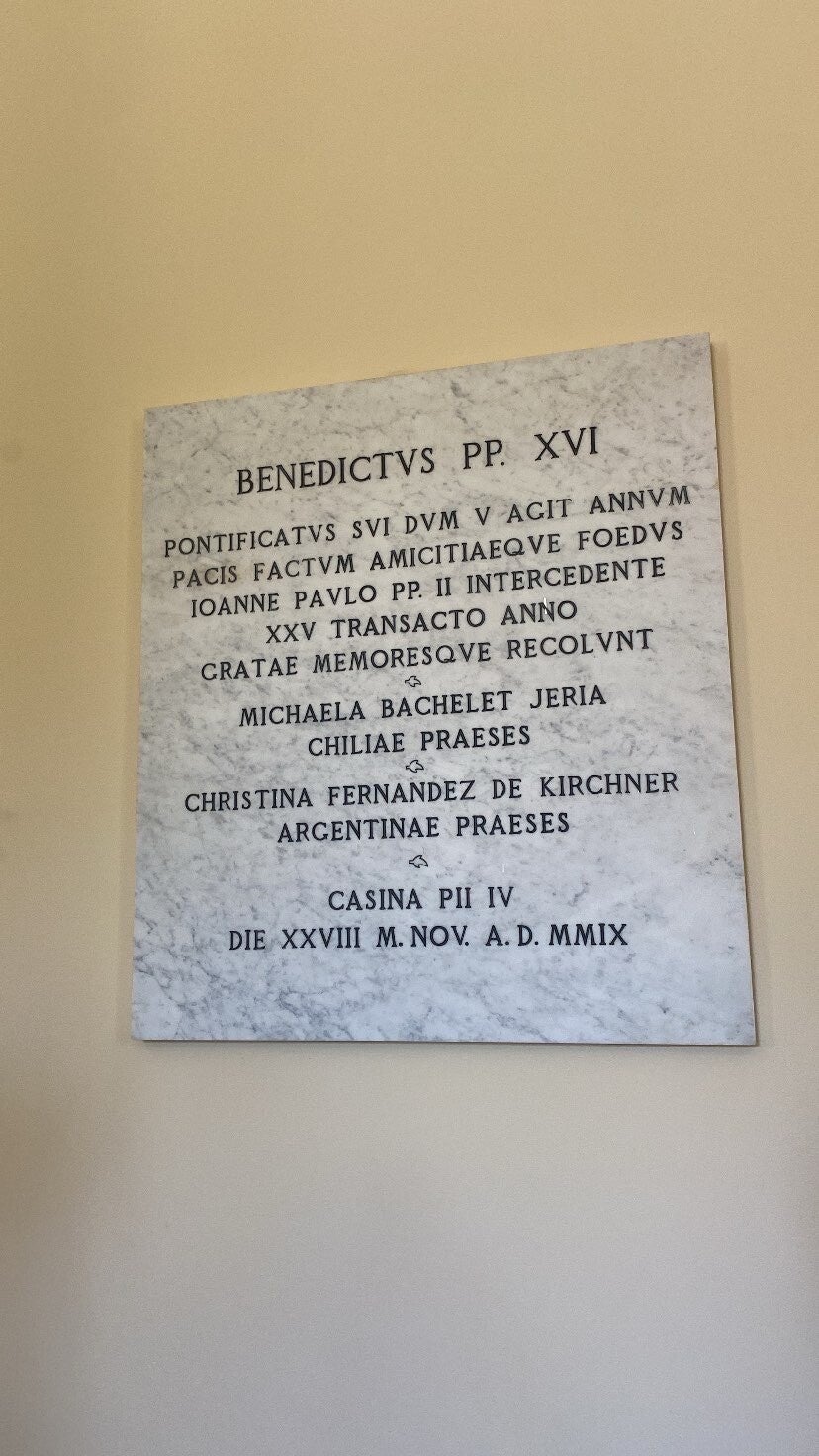
The inauguration concluded with a reception held at the Casina Paolo IV, adjacent to the Academy of Sciences.
Exploring the various resources on the Benedict XVI Society website, the program becomes clear and is summed up in a quote that can be fully understood and interpreted only by combining the rational aspects of Faith, knowledge, love, and a life rooted in Truth:
"The world offers you comfort. But you are not made for comfort. You are made for greatness."
PH CREDIT: Elvir Tabakovic
Aggiungi commento
Commenti